Almost everything we eat nudges our heart in one direction or the other. That sounds like a heavy responsibility, but it is also good news: it means small, repeatable choices at mealtimes genuinely add up, without you having to overhaul your whole life or give up the food you love.
This is not about a strict diet. It is about building meals that keep your heart working comfortably and your energy steady — and doing it often enough to become normal.
Why food matters so much for your heart
Your heart works continuously, and like any hard-working muscle it depends on a steady supply of good fuel and a healthy blood vessel network. What you eat influences blood pressure, cholesterol levels, blood sugar, inflammation and body weight — all of the things our team looks at during a cardio health review.
The encouraging part is that you rarely need to change everything. Improving a handful of regular meals is usually enough to shift those measurements in a helpful direction.
Build your plate around these foods
If you remember nothing else, remember variety. Aim to include most of the following across a normal week.
Colourful vegetables and fruit
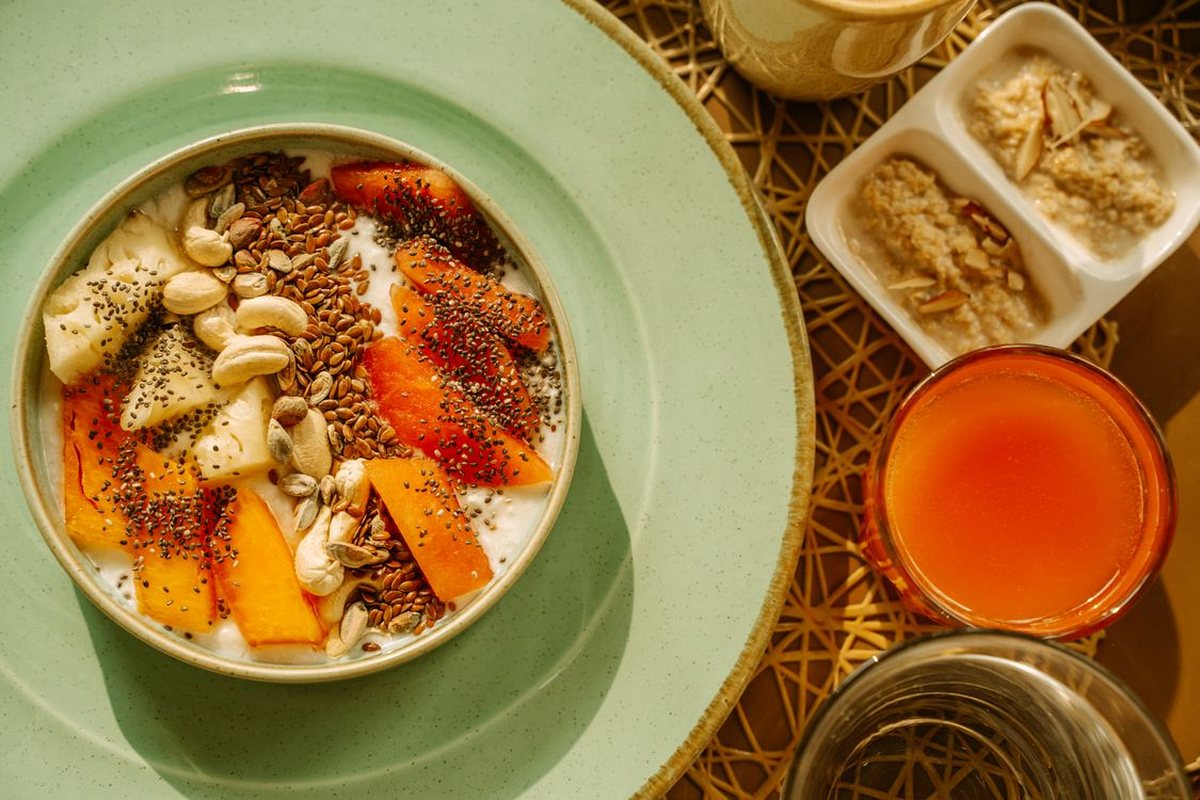
Different colours bring different nutrients, including fibre, potassium and antioxidants. Fresh, frozen or tinned all count — just watch added salt and syrup. A practical target is to let vegetables take up about half of your lunch and dinner plate.
Whole grains
Oats, brown rice, wholewheat bread and pasta, barley and quinoa give you slow-release energy plus fibre that helps manage cholesterol. Swapping refined grains for whole versions is one of the simplest upgrades you can make.
Beans, lentils and legumes
Affordable, filling and heart-friendly. Add them to soups, salads, curries and casseroles, or use them to replace some of the meat in a favourite recipe.
Fish and healthy fats
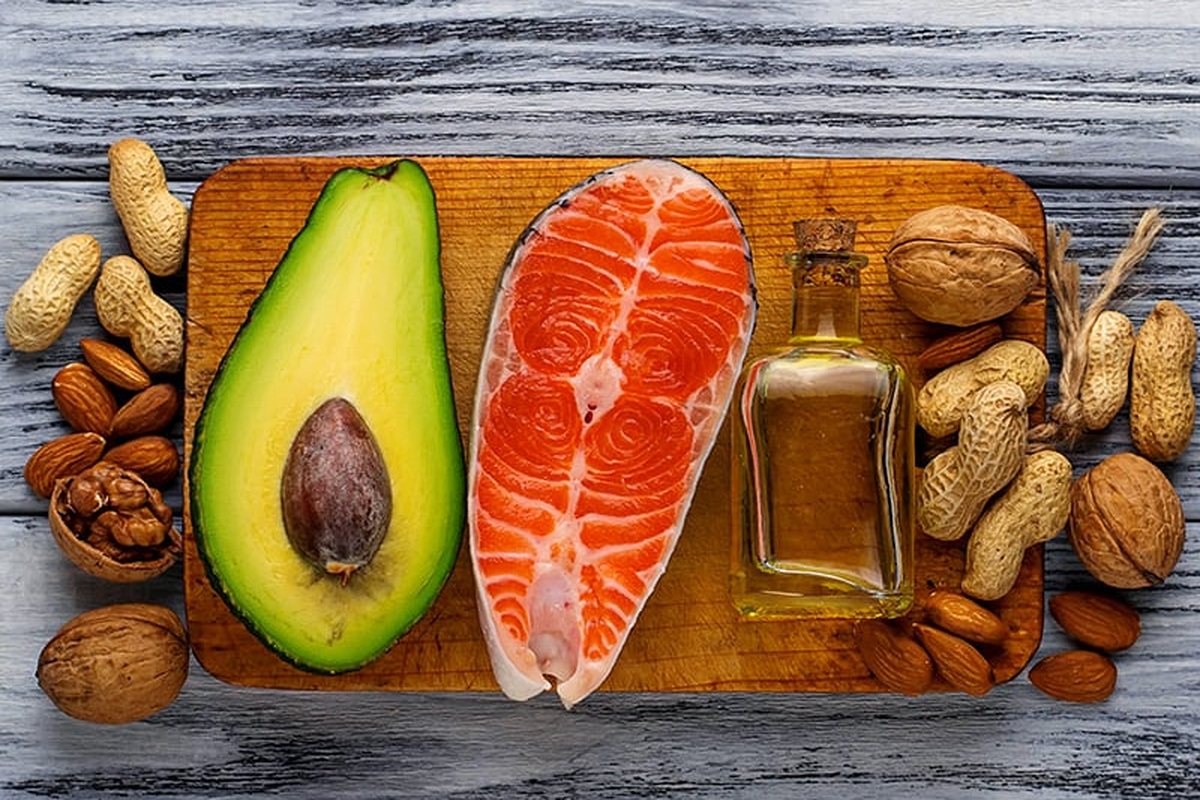
Oily fish such as salmon, mackerel, sardines and trout are rich in omega-3 fats linked to heart health. Olive oil, avocado and unsalted nuts are good everyday fat choices too. You do not need large portions — regular small servings work well.
Nuts and seeds
A small handful of unsalted nuts or seeds most days is an easy habit with real benefits. They are satisfying, which makes them a helpful swap for crisps and biscuits.
Herbs, spices and flavour
Garlic, ginger, turmeric, chilli, lemon, black pepper and fresh herbs add flavour without salt. If your blood pressure is a concern, this is one of the most useful swaps you can make in the kitchen.
What to enjoy less often
No food needs to be banned, but these are worth keeping occasional rather than daily:
- Processed meats such as sausages, bacon and deli slices, which are often high in salt.
- Deep-fried snacks and foods cooked in reused oils.
- Sugary drinks, including many flavoured coffees and energy drinks.
- Salt-heavy sauces, instant noodles and packaged soups.
- Refined baked goods and sweets eaten as everyday snacks rather than treats.
Reducing how often these appear is more sustainable than trying to cut them out forever.
You do not need a perfect diet to protect your heart. You need a pattern you can repeat — most weeks, for a long time.
Heart-friendly habits beyond the plate
- Move often in small doses — a brisk walk after meals counts.
- Protect your sleep; poor sleep raises blood pressure over time.
- Keep alcohol occasional and know your own limits.
- Manage stress deliberately, not just at the end of a bad week.
- Attend your regular check-ups so changes are spotted early.
A simple way to start this week
- Pick one meal you eat regularly and add one extra portion of vegetables to it.
- Swap one sugary drink a day for water, sparkling water or unsweetened tea.
- Replace one refined grain with a whole grain version.
- Keep a small bowl of unsalted nuts where you normally snack.
- Write down one meal you enjoyed so you can repeat it next week.
When to talk to someone
Food is powerful, but it works best alongside proper assessment. If you have high blood pressure or cholesterol, a family history of heart problems, diabetes, or you simply feel unsure where to start, a conversation helps. Our cardio health service looks at the whole picture — readings, lifestyle and daily routine — and builds a plan that fits your kitchen and your schedule.
Book a consultation whenever you are ready. We will talk it through, one practical step at a time, and review how things are going as you settle into new habits.