If your afternoons feel like wading through treacle, the answer may not be more coffee. For most people, energy and mood are closely tied to how steady their blood sugar stays through the day — and that is largely down to what, and when, they eat.
Here is how everyday nutrition shapes the way you feel, and how to build days that hold up better.
The afternoon dip, explained
A breakfast of sugary cereal or a pastry can feel great for an hour, then leave you flat. Fast-releasing carbohydrates push blood sugar up quickly, the body responds with insulin, and the drop that follows can bring fatigue, irritability and cravings. If you then reach for another quick fix, the cycle repeats all day.
Steady energy: the useful trio
Protein
Eggs, yogurt, fish, chicken, tofu, beans and dairy slow digestion and help you feel satisfied for longer. Including protein at breakfast is one of the most effective changes you can make.
Fibre
Vegetables, whole grains, fruit, nuts and seeds smooth out the release of energy from food and support a healthy gut, which in turn has a real influence on mood.
Healthy fats
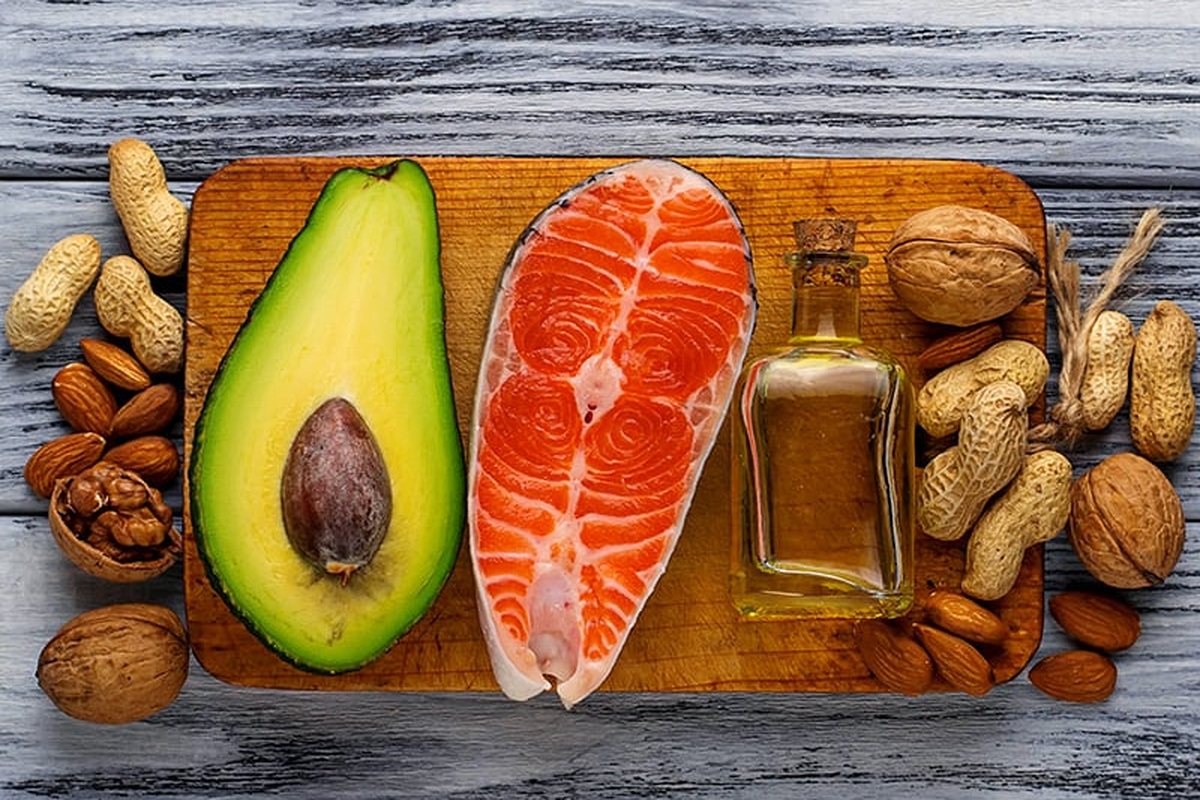
Olive oil, avocado, nuts and oily fish add satisfaction and help your body absorb certain vitamins. A little at each meal goes a long way.
Hydration matters more than you think
Mild dehydration often shows up as tiredness, headaches and poor concentration rather than obvious thirst. Keeping water nearby and drinking with meals is an easy habit that many people find improves their afternoon noticeably.
Caffeine and timing
Coffee and tea are not the enemy, but timing matters. A late-afternoon cup can quietly damage your sleep, and poor sleep is one of the biggest drivers of low energy and low mood the next day. Try keeping caffeine to the earlier part of the day and notice the difference in your evenings.
Nutrients that support mood
- Omega-3 fats — found in oily fish, walnuts and flaxseed, linked to mood and brain health.
- B vitamins — in whole grains, eggs, leafy greens and legumes.
- Magnesium — in nuts, seeds, beans and dark leafy greens.
- Vitamin D — from sunlight, oily fish and eggs; worth asking us about if you rarely get outdoors.
- Iron — low levels are a common and easily missed cause of fatigue.
Feeling steady is a better sign of a good diet than any number on a label.
Build a steadier day
- Breakfast: include protein, for example eggs with wholegrain toast, or yogurt with berries and nuts.
- Lunch: half vegetables, a quarter protein, a quarter whole grains.
- Afternoon: plan a real snack — fruit with nuts, or hummus with vegetable sticks.
- Dinner: keep it regular and not too late, so it does not interfere with sleep.
- Drinks: water with meals, caffeine earlier in the day.
Small experiments worth trying
- Add protein to breakfast for one week and note your energy at mid-morning.
- Move your last caffeinated drink earlier and write down how you sleep.
- Keep a glass or bottle of water in sight and finish it before lunch.
- Swap one daily sweet snack for fruit plus nuts and see how your afternoon feels.
- Note your mood alongside your meals for a few days — patterns show up quickly.
When personalised advice helps
Energy and mood are personal. Sleep, stress, health conditions, medicines and life stage all play a part, so a plan that works for your neighbour may not suit you. Our wellness and nutrition service reviews your routine properly, then builds something realistic — including meals you actually enjoy.
If you have been tired for weeks, or your mood has changed noticeably, please speak with a clinician. Sometimes a simple blood test explains a great deal.